




News

FITV
This Earth Day, Outreach Officer, Glenn Welch speaks to Falkland Islands TV to discuss ways to fight plastic pollution as well as ideas to make small but meaningful environmental impacts.
Watch here
Penguin News
Seabird Ecologist, Amanda Kuepfer and Conservation Manager, Andy Stanworth speak on the impact of avian influenza this season and how Falklands seabirds are faring.
Read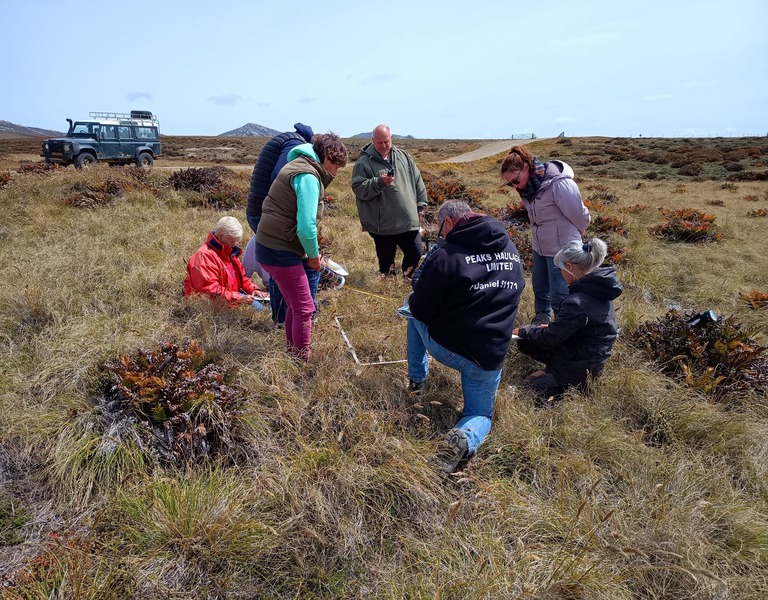
Penguin News
Peat Wetlands Project Manager, Dave Higgins talks on the importance of peatland environments in the Falklands and contributions made by his Darwin Plus project.
Read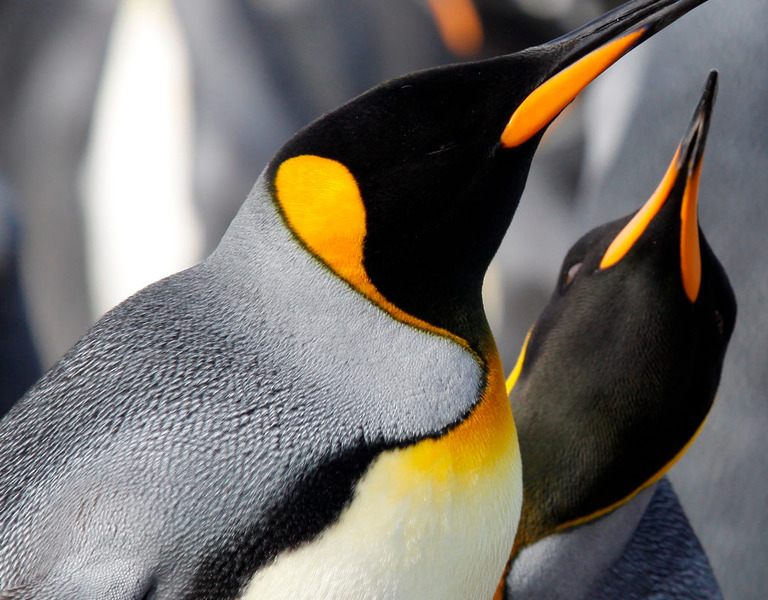
The Times & The Sunday Times
In March 2024, Falklands Conservation was featured in The Times and The Sunday Times newspaper as one of the 10 charities to support this year. We are thrilled by this level of recognition and remain grateful to all our supporters who continue to drive conservation action in the Islands.
Read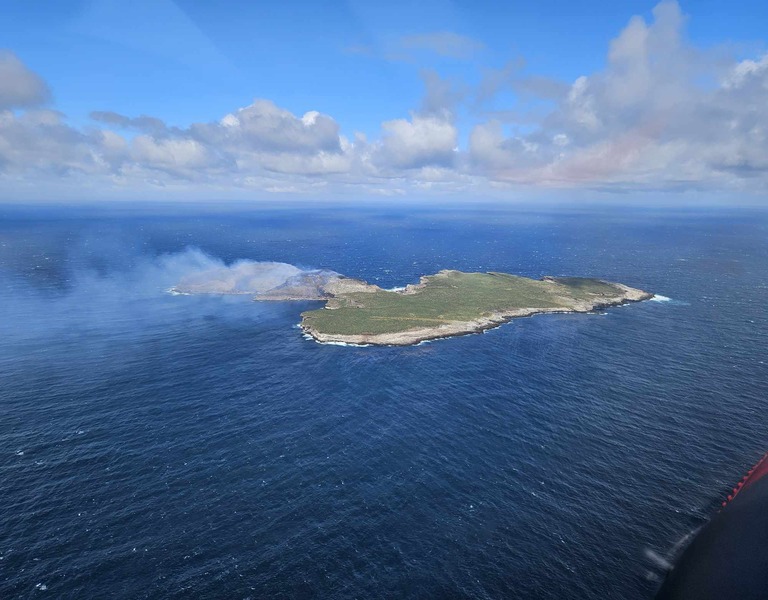
Penguin News
A drying climate and more frequent fires in the Islands highlight importance of land management and restoration efforts.
Read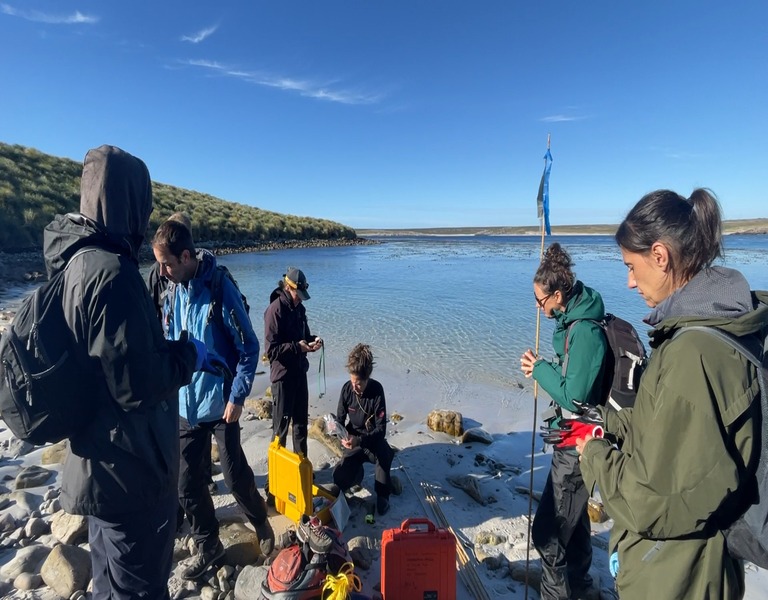
FITV
Volunteers helped us to complete burrowing seabird surveys on Kidney Island, on behalf of the Falkland Islands Government Environment Department. The surveys provide updated information on sooty shearwater and white-chinned petrel populations at nationally important sites including Kidney, Cochon, Top and Bottom Islands.
Watch here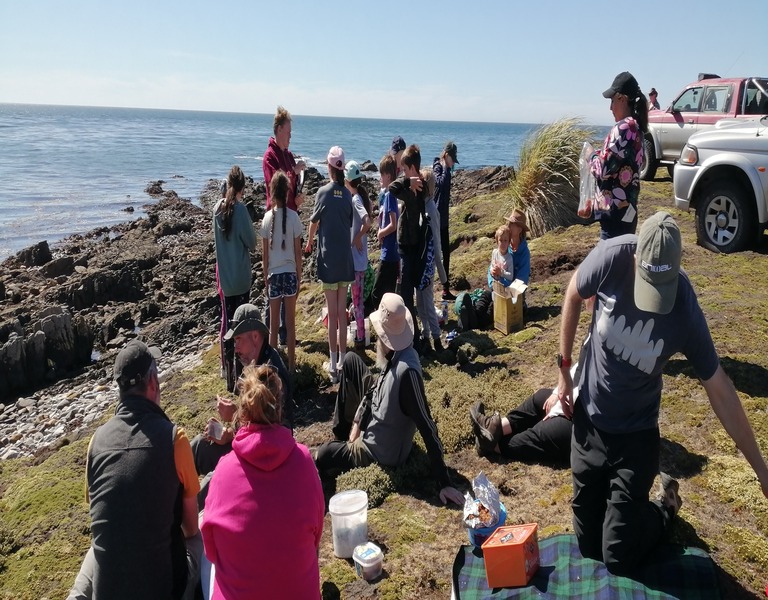
Penguin News
The Watch Group go with families to Little Creek Farm for annual camp. The group took part in lots of fun and interactive activities centred around nature and conservation.
Read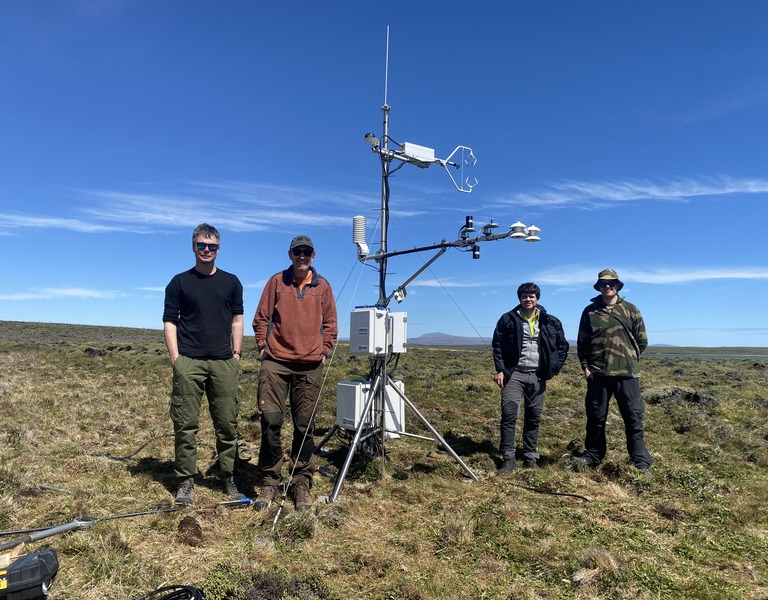
FITV
One of four flux towers has been installed at Horseshoe Bay as part of our Peatland Greenhouse Gas Project. These flux towers will provide novel data concerning the rates of carbon sequestration and/or emissions in these environments- important for informing restoration efforts and land management decisions in the islands.
Watch here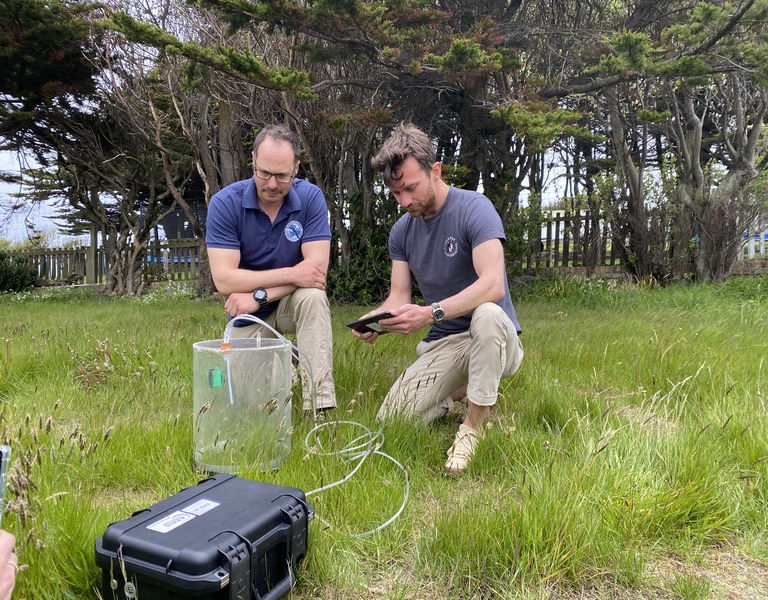
Penguin News
Falklands Conservation lead science demo with SAERI for Peatland Greenhouse Gas Project. The demonstration sought to explain various elements of the project and some of the equipment to be used.
Read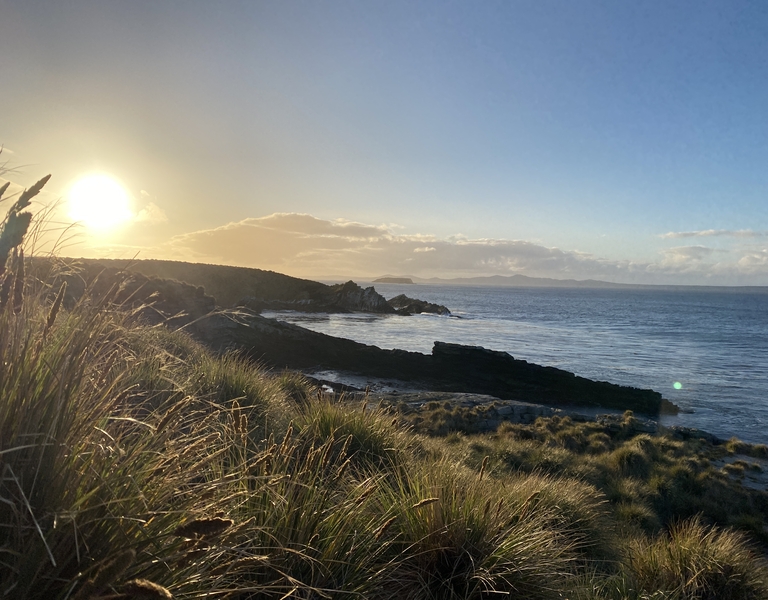
Penguin News
Peatland GHG Project Manager, Ben Taylor discusses Falklands Conservation’s new study, which is targeted at understanding the rate of greenhouse gas emissions/sequestration from Falklands peat and the feasibility of carbon offsetting in the islands.
Read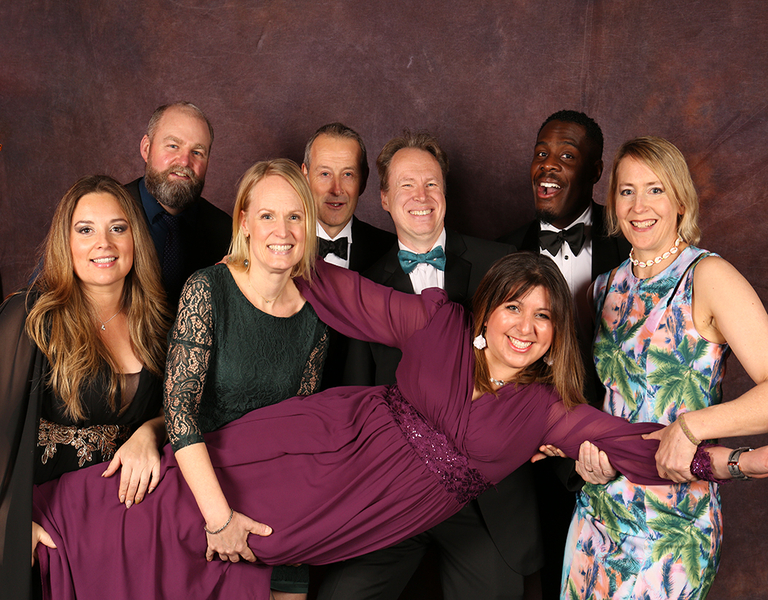
Penguin News
Our Inshore Marine Environment – This year’s Conservation Ball 2023
Read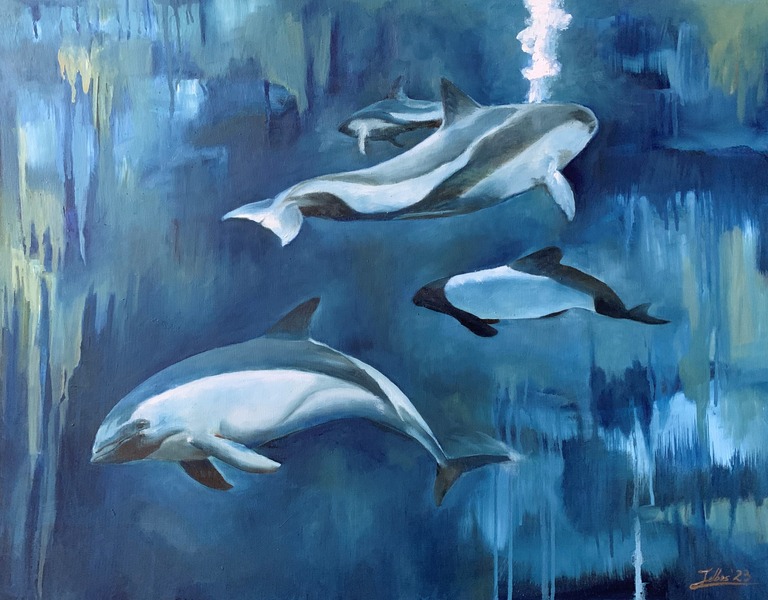
Penguin News
Falklands Conservation Launch Auction Exhibition 2023
Read
Penguin News
COP27 and Conservation
CEO, Esther Bertram discusses the Falkland Island’s role in addressing climate change as COP27 talks take place in Egypt
Read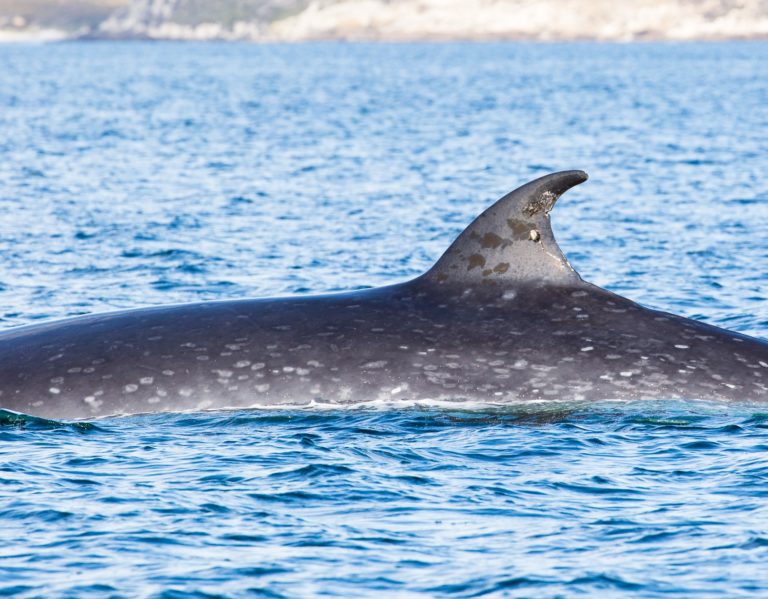
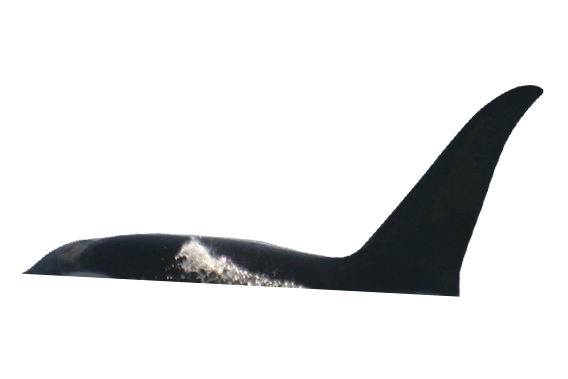
Polar Journal
Sei whale songs point to Falkland Islands as mating site
FC’s Cetacean Ecologist, Dr. Caroline Weir has published a new study documenting sei whale songs for the first time ever, found here in the Falklands
Read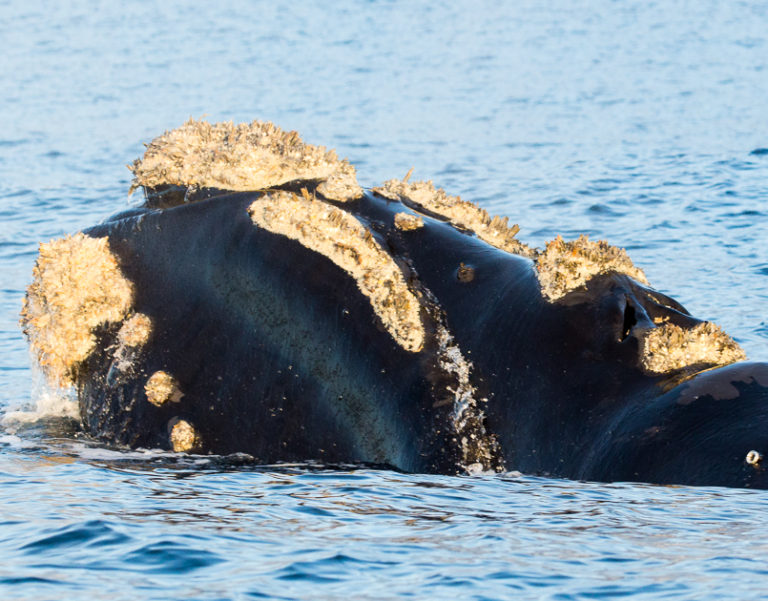
Penguin News
Where do the right whales go?
Following a successful southern right whale season, we have been able to track where our whales go once they leave the Falklands!
Read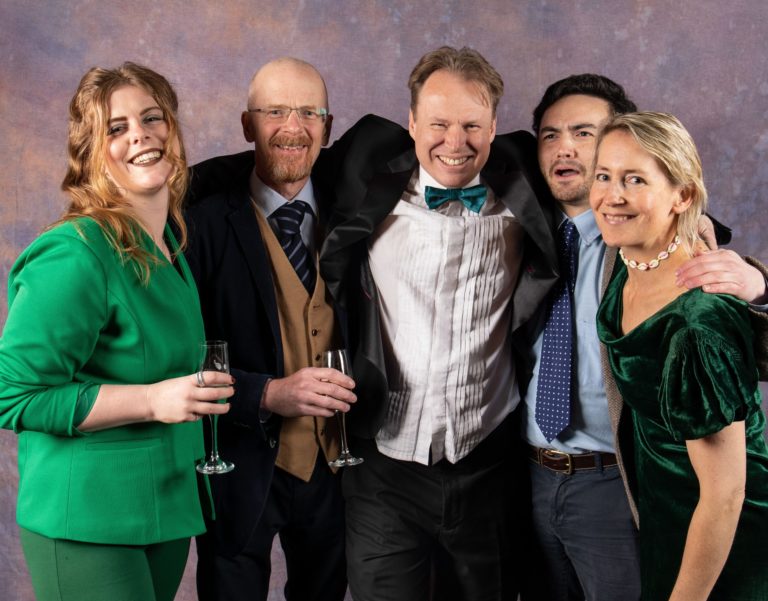
Penguin News
It’s not easy being green!
This year’s Conservation Ball was a huge hit, raising around £40,000 for the charity and acknowledging the green commitments of local businesses
Read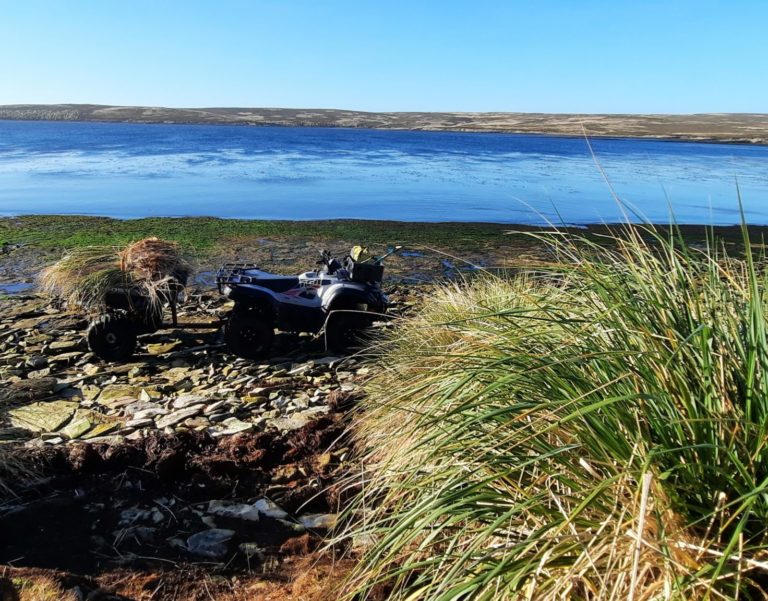
Penguin News
Project to rehabilitate eroded peat soil
Supported by the Falklands Conservation & Springcreek Conservation Small Grants Scheme, an amazing restoration project has begun on Dyke Island
Read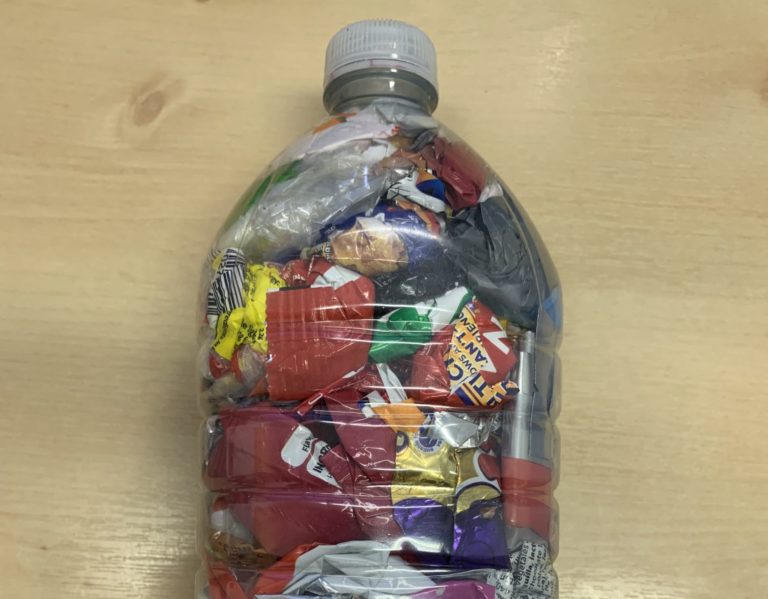
Penguin News
Falkland Conservation’s Watch Group make Ecobricks
The Watch Group learn how to build bricks out of plastic waste, which can be used to build furniture.
Read
Penguin News
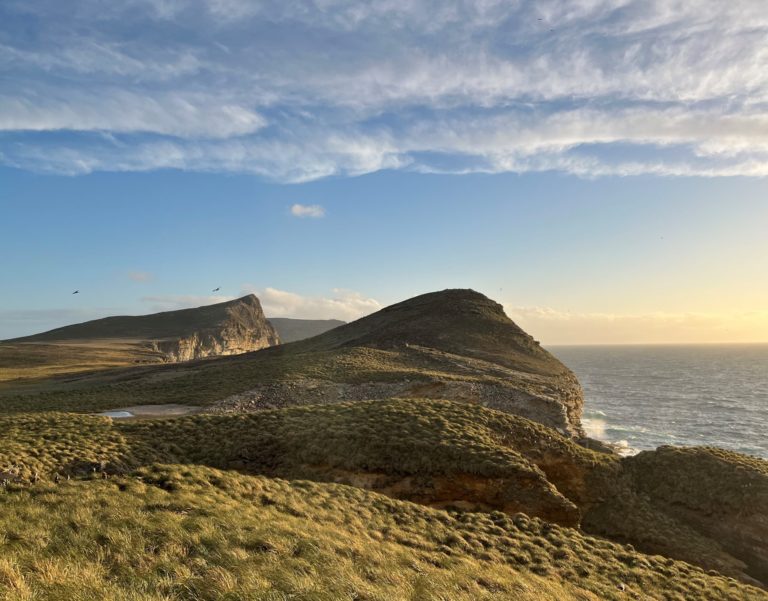
FC begins new restoration project on New Island
We have begun a two-year project to gather information on the best approach to managing invasive mammals on New Island
Read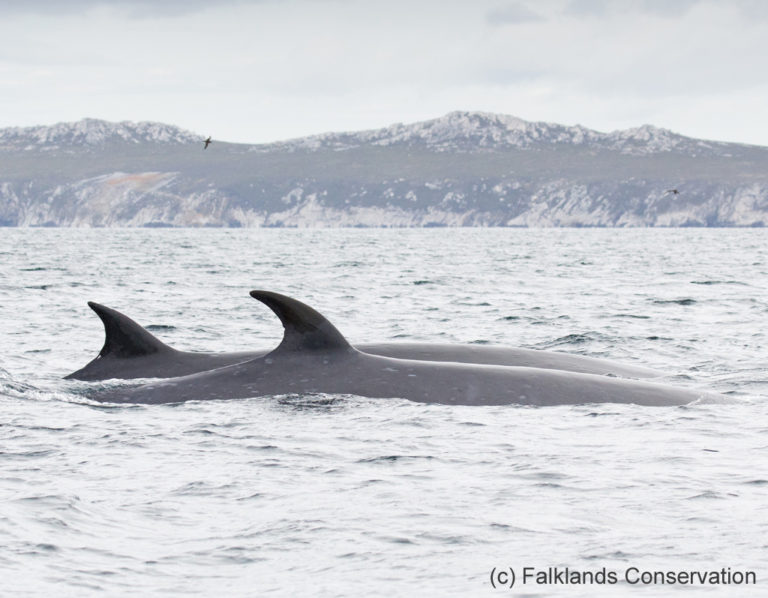
Penguin News
Satellite tags successfully deployed on Sei whales
Dr. Caroline Weir talks about the first season of FC’s new Darwin-plus cetacean project
Read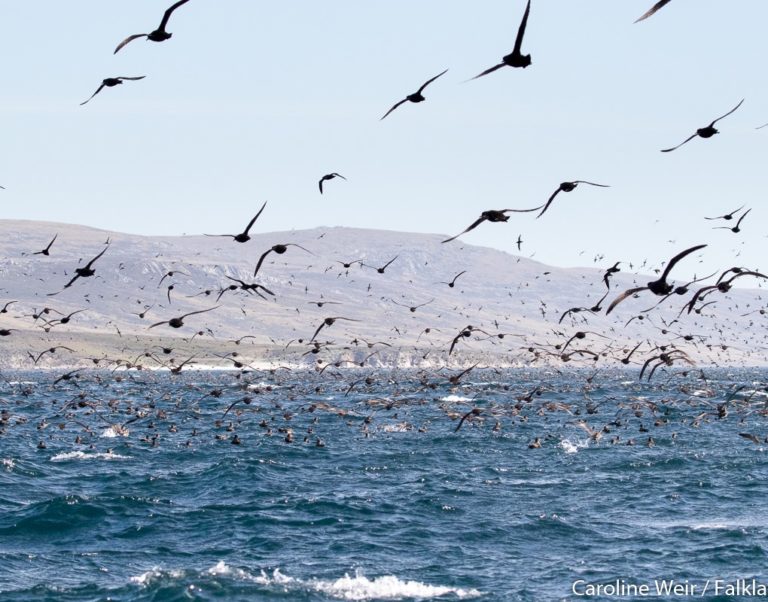
Falkland Islands’ inshore waters have confirmed as Key Biodiversity Areas (KBAs) for nine seabird species! This, combined with last years’ KBA for the endangered sei whale, is a huge step forward for international recognition of the unique marine environment of the Falklands.
Read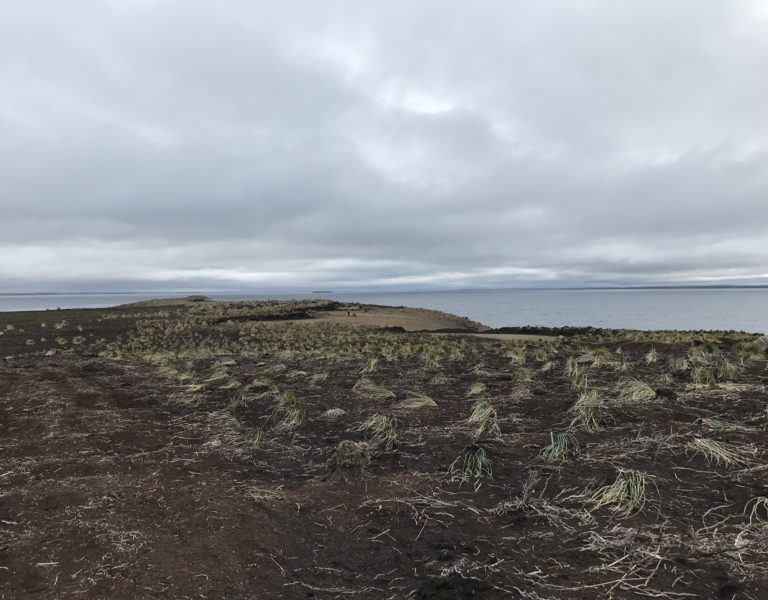
Sanctuary Magazine
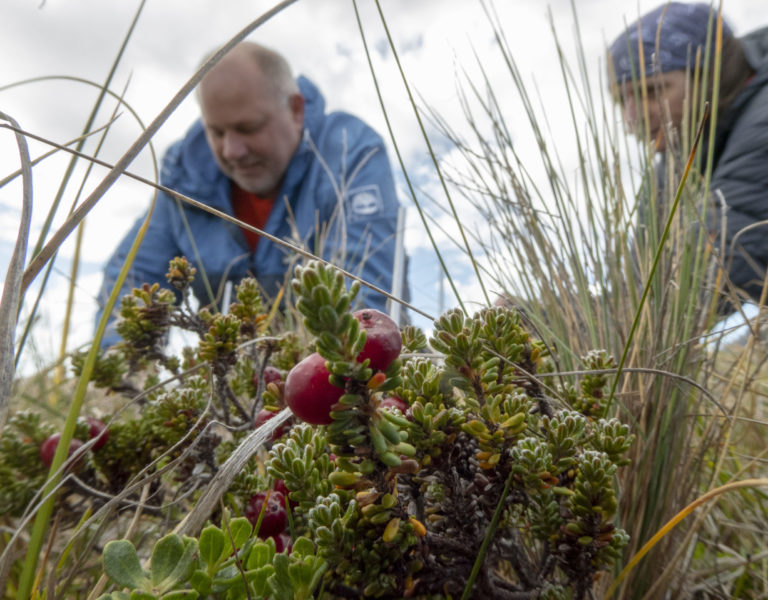
Falkland Islands – planting tussac
Capt. John Gajdus tells Sanctuary Magazine about his and his colleagues’ experience planting tussac with FC and Georgia Seafoods in September 21
Sanctuary Magazine
Livestock and the carbon stock of Falkland Islands’ whitegrass camps
Peatlands project officer, David, speaks to Sanctuary magazine about his work looking at peat-wetlands in the Falklands and its ability to hold significant carbon stores
Read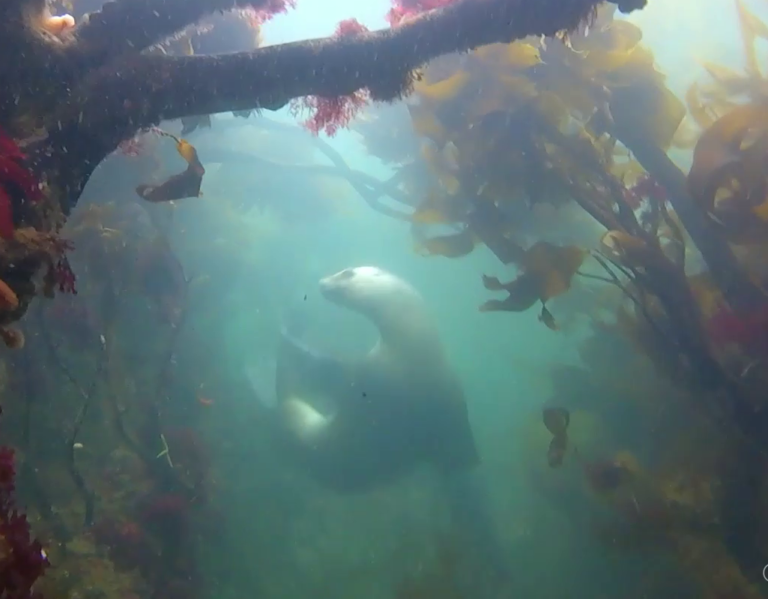
The Marine Biologist
Big Ocean, Big Opportunity, Big Responsibility
“Global standards of marine protection and management are needed to ensure that this unique environment persists” said FC’s Marine Conservation Officer, Emma Harte
Read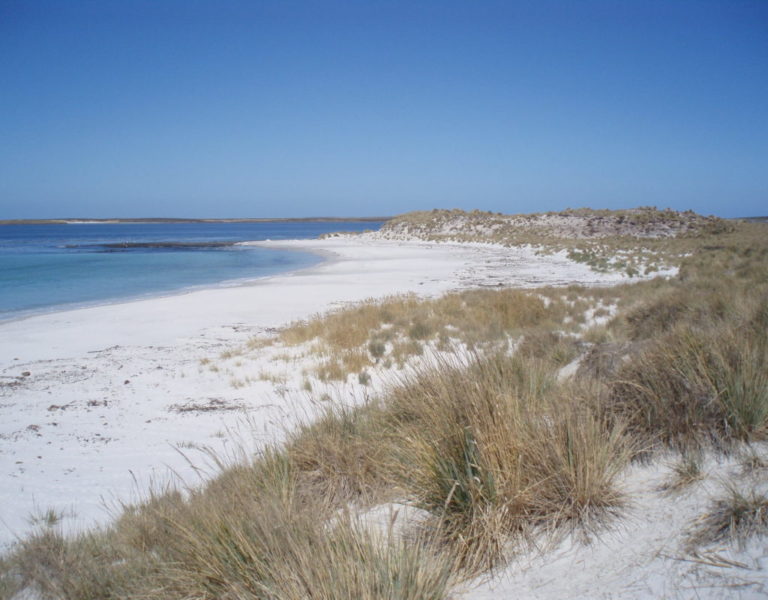
Penguin News
Conservation unimpressed by new port Environmental Impact Study
In response to the new port EIS, FC issued a formal written response to FIG and received feedback. The feedback focussed on FC’s broad accuracy and quality concerns yet other points raised were not responded to.
Read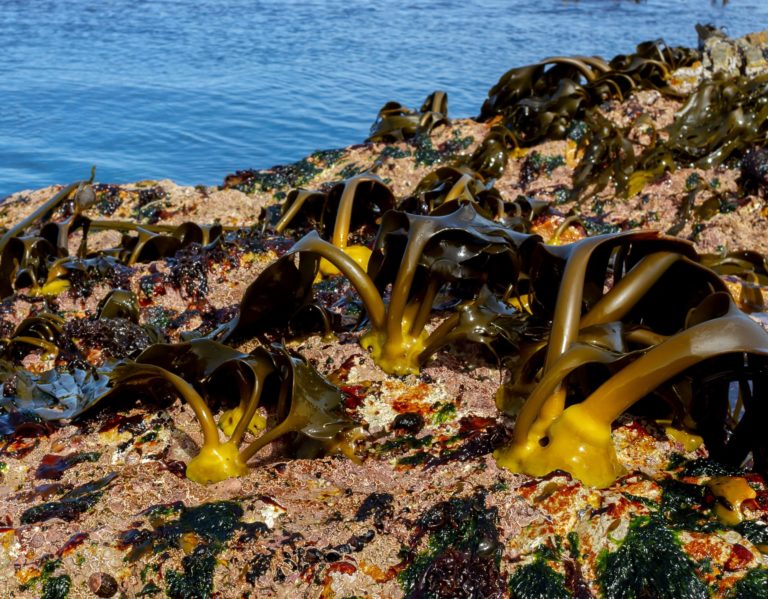
Penguin News
Celebrate Seaweed
Following the relaunch of the Falkland Islands Big Seaweed Search, FC explain a bit more about what it’s all for
Read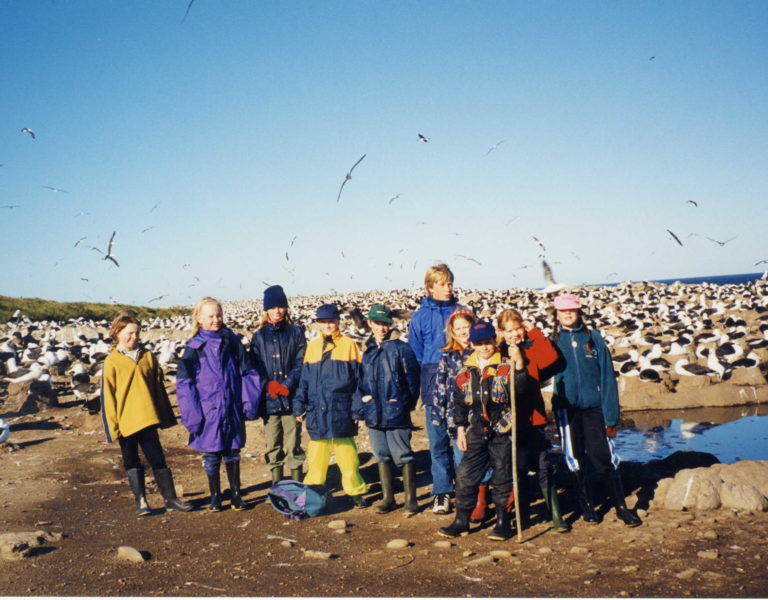
FI Memorial Chapel Newsletter
Four Decades of Wildlife Conservation
On the eve of the 40th anniversary of the Falklands Conflict, FC looks at the achievements the islands have made since then in the protection of the Falklands natural environment
Read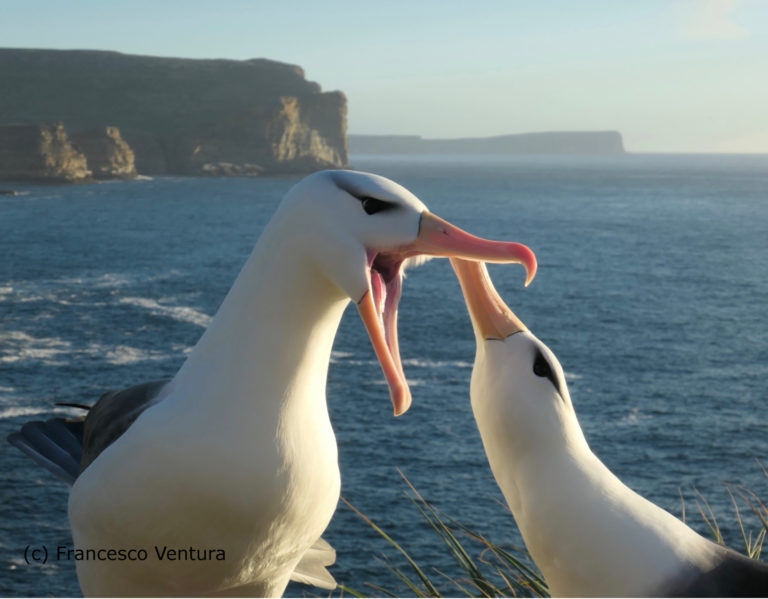
Daily Mail
Albatrosses can plunge up to 62ft underwater
Research of black-browed albatross on FC-owned New Island has found that albatrosses can dive deeper and longer than previously thought
Read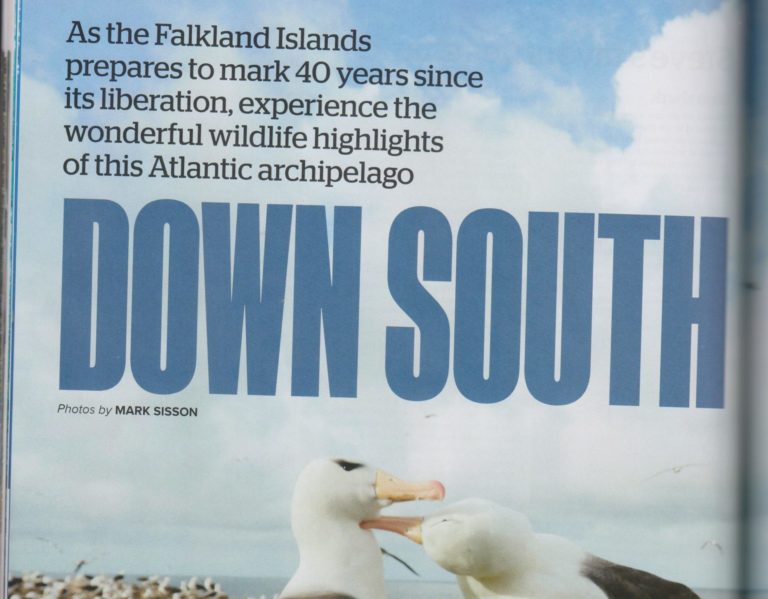
BBC Wildlife Magazine
Down South
Following the publication of his new book ‘Wild Islands’ in collaboration with FC, Mark Sisson shares some of his best photos of the Falklands
Read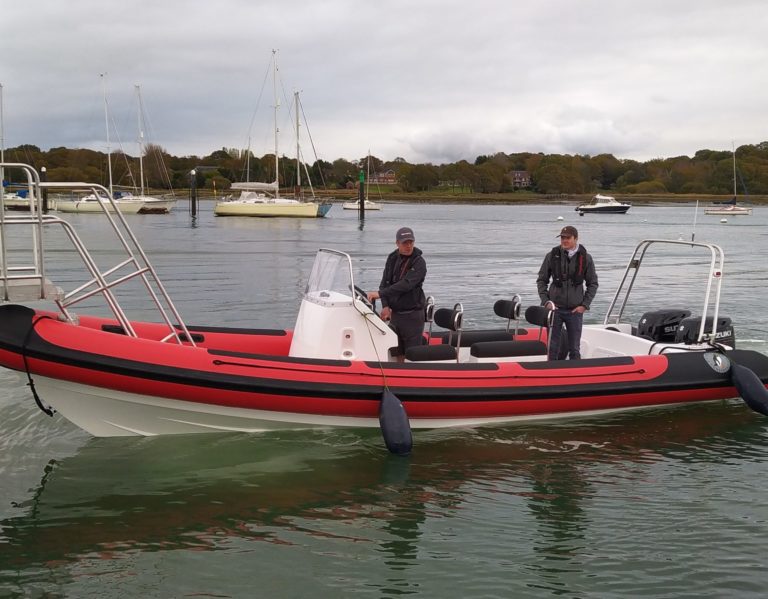
Isle of Wight County Press
Isle of Wight boat for Falklands Conservation whale study
Our new rib boat will aim to support our cetacean Darwin Initiative survey work, complying with UK safety standards for us while operative in remote Falklands waters
Read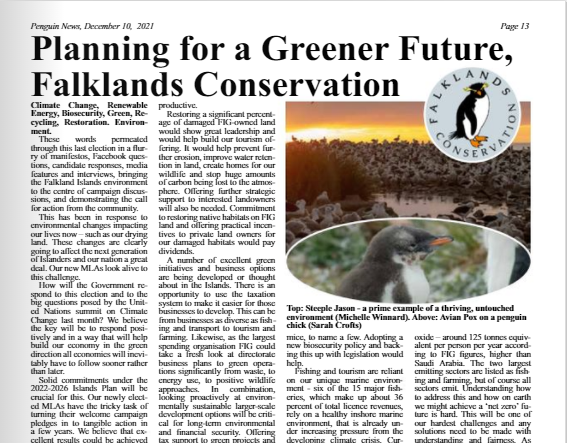
Penguin News
Planning for a Greener Future
With the 2021 General Election over, Falklands Conservation urge the newly elected MLAs to consider these key targets for the next Island Plan
Read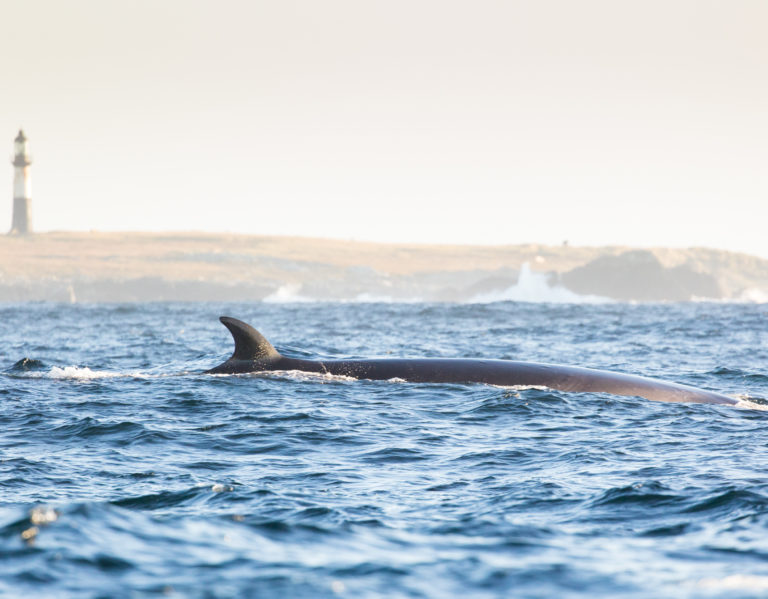
Birdlife International
Pioneering research into mysterious Sei whale uncovers Falklands hotspot
Birdlife reports on the Falklands Key Biodiversity Area (KBA) for Sei whales announced earlier in 2021
Read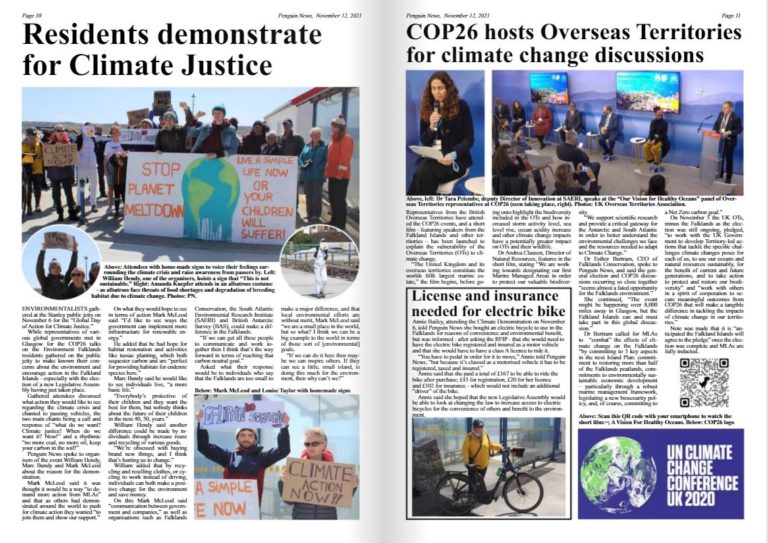
Penguin News
Climate Justice & COP26
Post general election and during the UN COP26 conference, Falkland Islanders gathered together in Stanley & at COP26 to show their support for the environment and climate change discussions
Read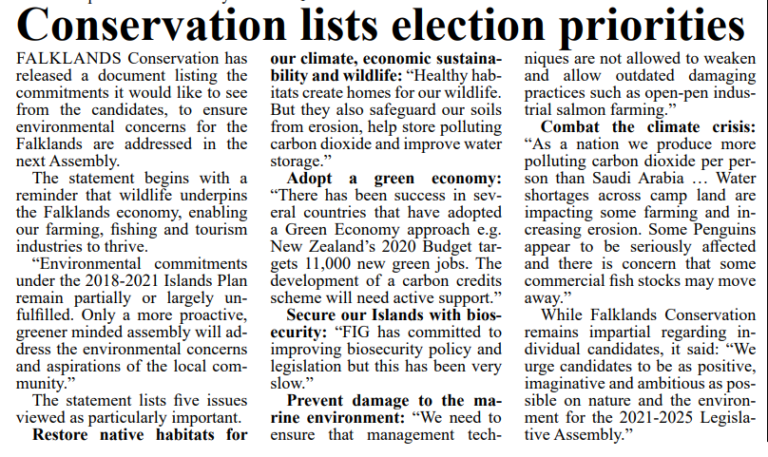
Penguin News
Conservation lists election priorities
On the lead up to the Falkland Islands’ general election 2021, we outlined the key environmental commitments we wanted to see from the candidate MLAs in their campaigns
Read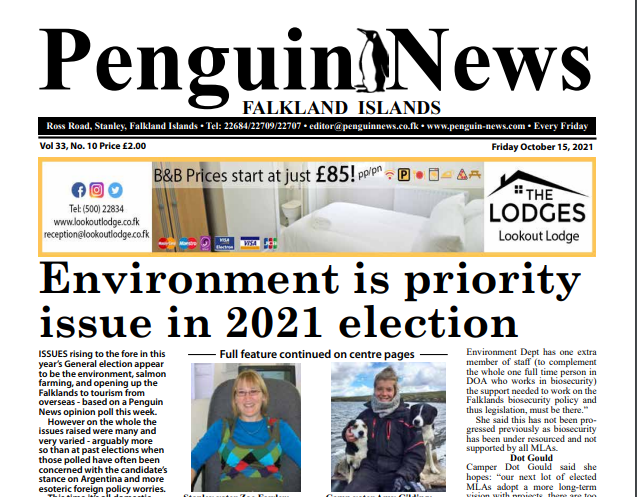
Penguin News
Environment is priority issue in 2021 Election
Issues rising to the fore in this year’s general election appear to be the environment, salmon farming and opening up Falklands to tourism, according to a Penguin News poll
Read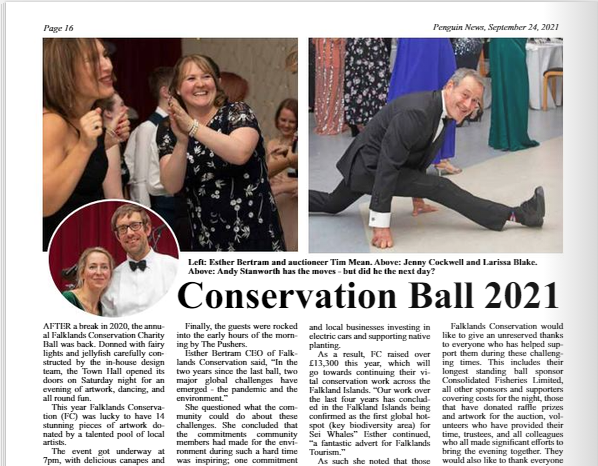
Penguin News
Conservation Ball 2021
After a break in 2020, the Falklands Conservation annual charity ball was back with local art, food, dancing and jellyfish!
Read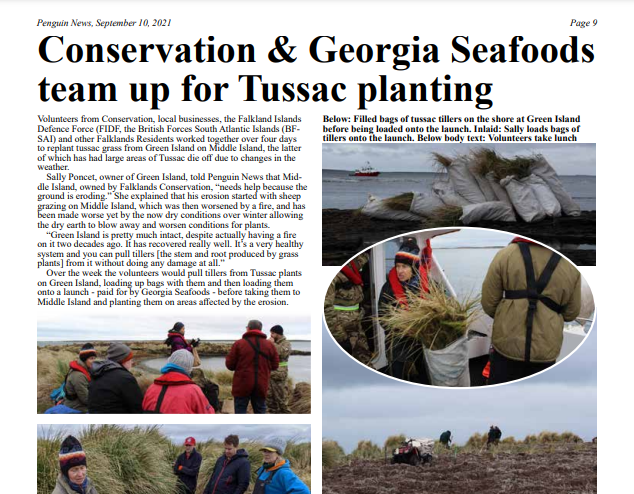
Penguin News
Conservation and Georgia Seafoods team up for tussac planting
For the second year in a row we teamed up with local fishing company, Georgia Seafoods and members of BFSAI to replant eroded areas of Middle Island with tussac grass, bluegrass and boxwood
Read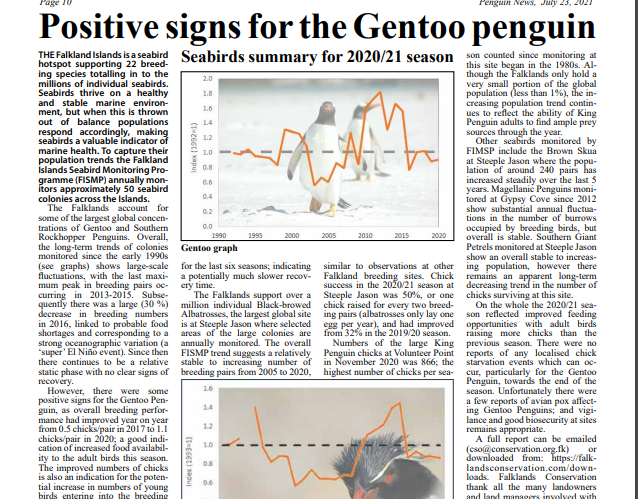
Penguin News
Positive signs for the gentoo penguin
The 2020/21 seabird monitoring programme season saw some positive signs from our gentoos, likely as a result of improved feeding opportunities
Read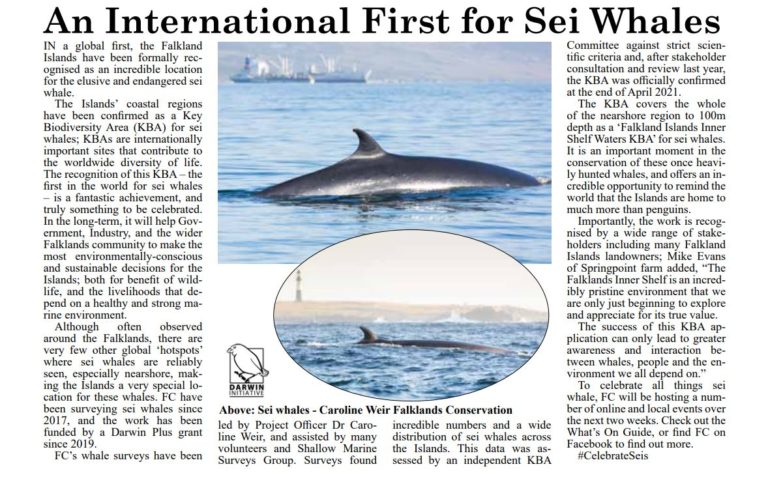
Penguin News
An International First for Sei Whales
The Falklands Islands have been formally recognised as the first Key Biodiversity Area (KBA) for Sei whales in the world
Read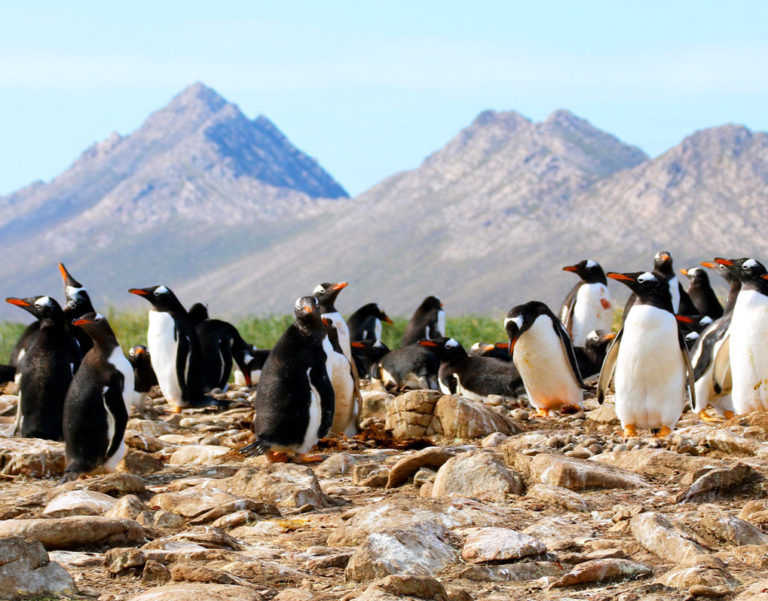
Pebble Magazine
Why the Falkland Islands are a must visit for wildlife lovers
The Falklands Islands is home to a wide range of interesting cetaceans – the focus of dedicated research by Conservation for several years
Read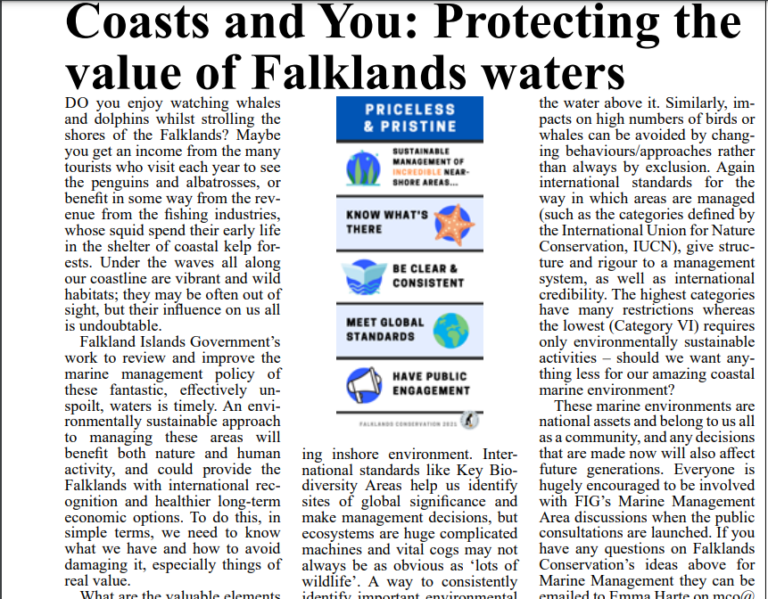
Penguin News
Coasts & You: Protecting the value of Falklands waters
Our marine environment is a national asset and we have the opportunity to be world-leading in our management.
Read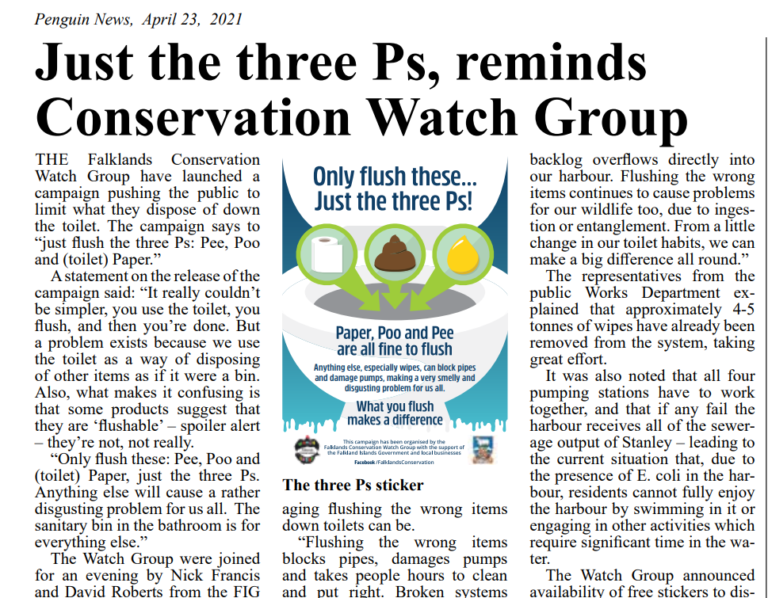
Penguin News
Just the three Ps, reminds the Watch Group
The Watch Group have launched a campaign to urge the public to keep in mind what they’re flushing down the toilet
Read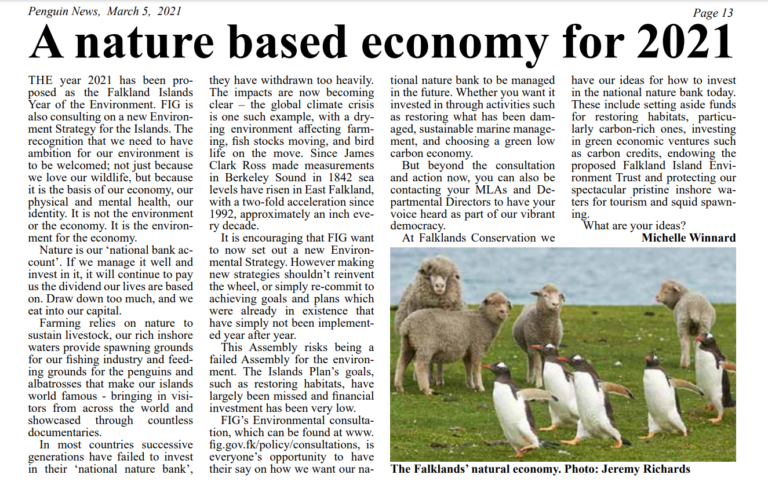
Penguin News
A nature based economy for 2021
It’s encouraging to see FIG committing to the environment in 2021, but this Assembly runs risk of falling short
Read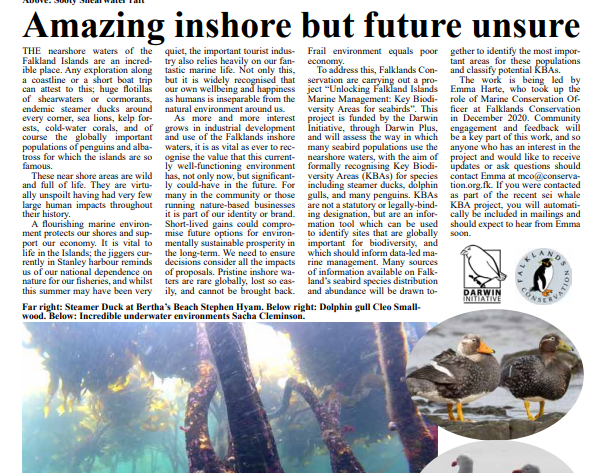
Penguin News
Amazing inshore but future unsure
The nearshore waters of the Falkland Islands are an incredible place and its vital that we recognise its value
Read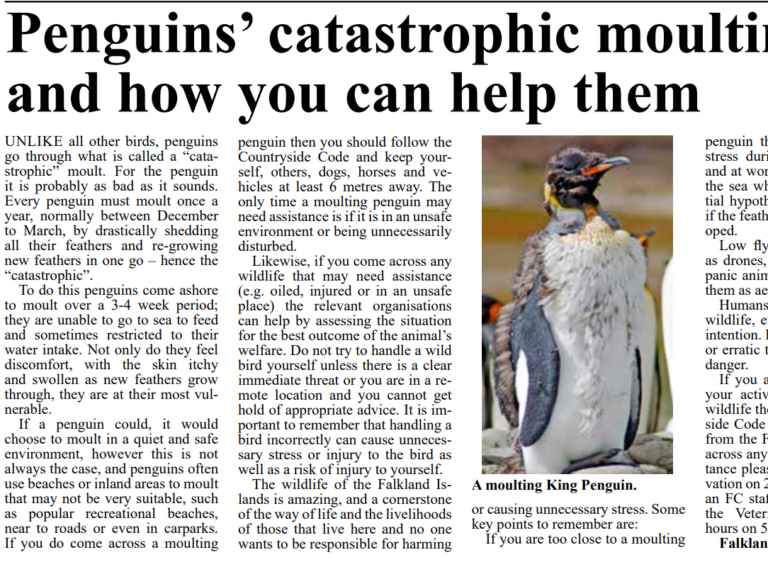
Penguin News
Penguins’ catastrophic moulting and how you can help them
Every year penguins go through a ‘catastrophic moult’: re-growing new feathers, and at this time are at their most vulnerable
Read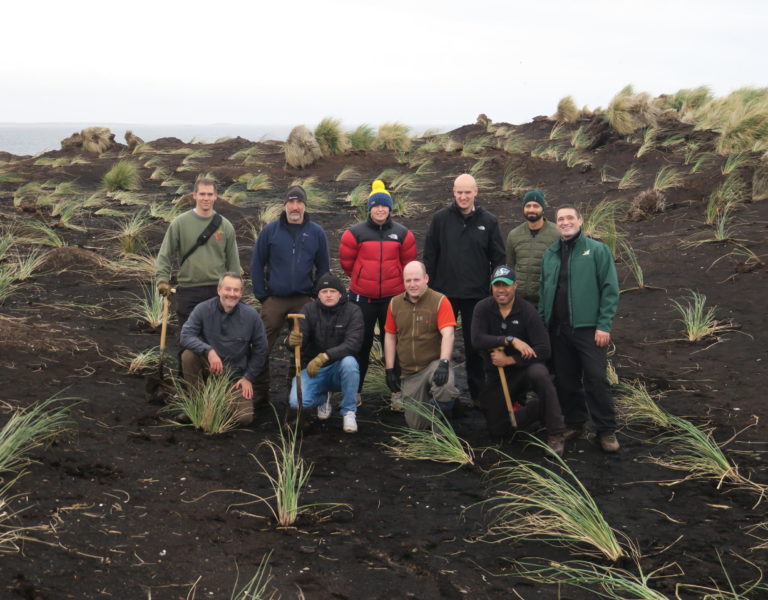
BBC Wildlife Magazine
Habitat restoration in the Falkland Islands
Captain Joe Harris RLC discusses his time in the Falklands doing some tussac planting on FC-owned Motley island
Read